Guide
Wind and Thermal Wind at the Stagnone: A Guide to Weather Forecasts
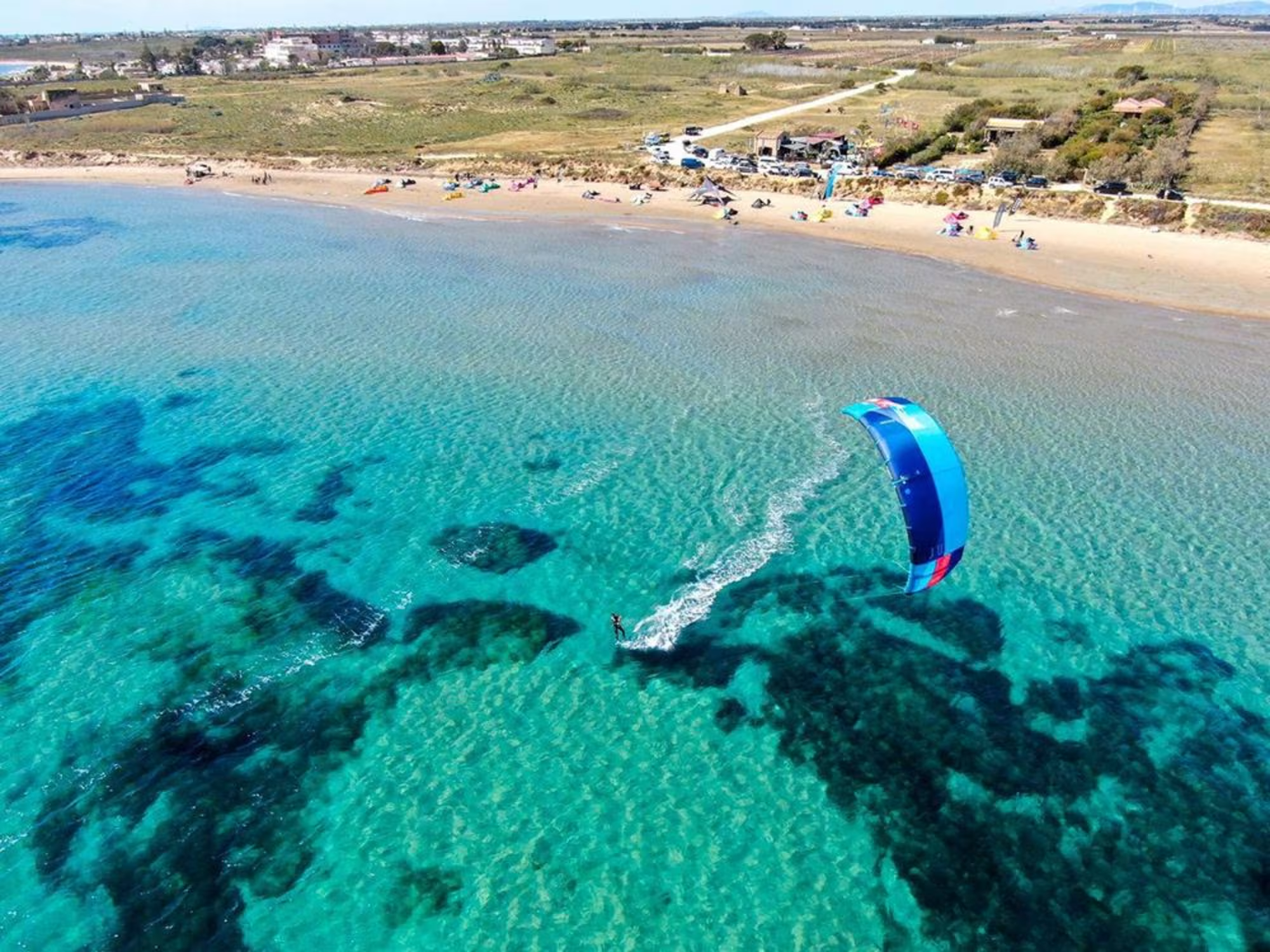
The Stagnone lagoon in Marsala has become Europe’s kitesurfing mecca thanks to a unique geographic layout: a massive protected lagoon, shallow waters, and steady wind blowing for over three hundred days a year. Yet, many kiters make the classic mistake of checking standard weather apps and canceling their trip after seeing seemingly flat forecasts. The truth is that the Stagnone operates on its own set of rules that escape the global algorithms of Windfinder or Windy.
The truth is that the Stagnone operates on its own set of rules. The wind dynamics in this natural reserve almost always elude the standard algorithms of global platforms like Windfinder or Windy.
Understanding how local wind patterns work, the impact of high temperatures, and the magic of the afternoon thermal wind is the real secret to never missing a single session in the water.
Here is the definitive guide by Sicilwind locals to help you read the actual forecasts on the spot, plan the best months, and know when to pump your kite even if the weather models show zero wind. If you want to check live conditions right now, you can consult our Stagnone weather page featuring updated data on knots and thermal wind.
The Miracle of the Thermal Wind: Why Weather Apps Are Wrong
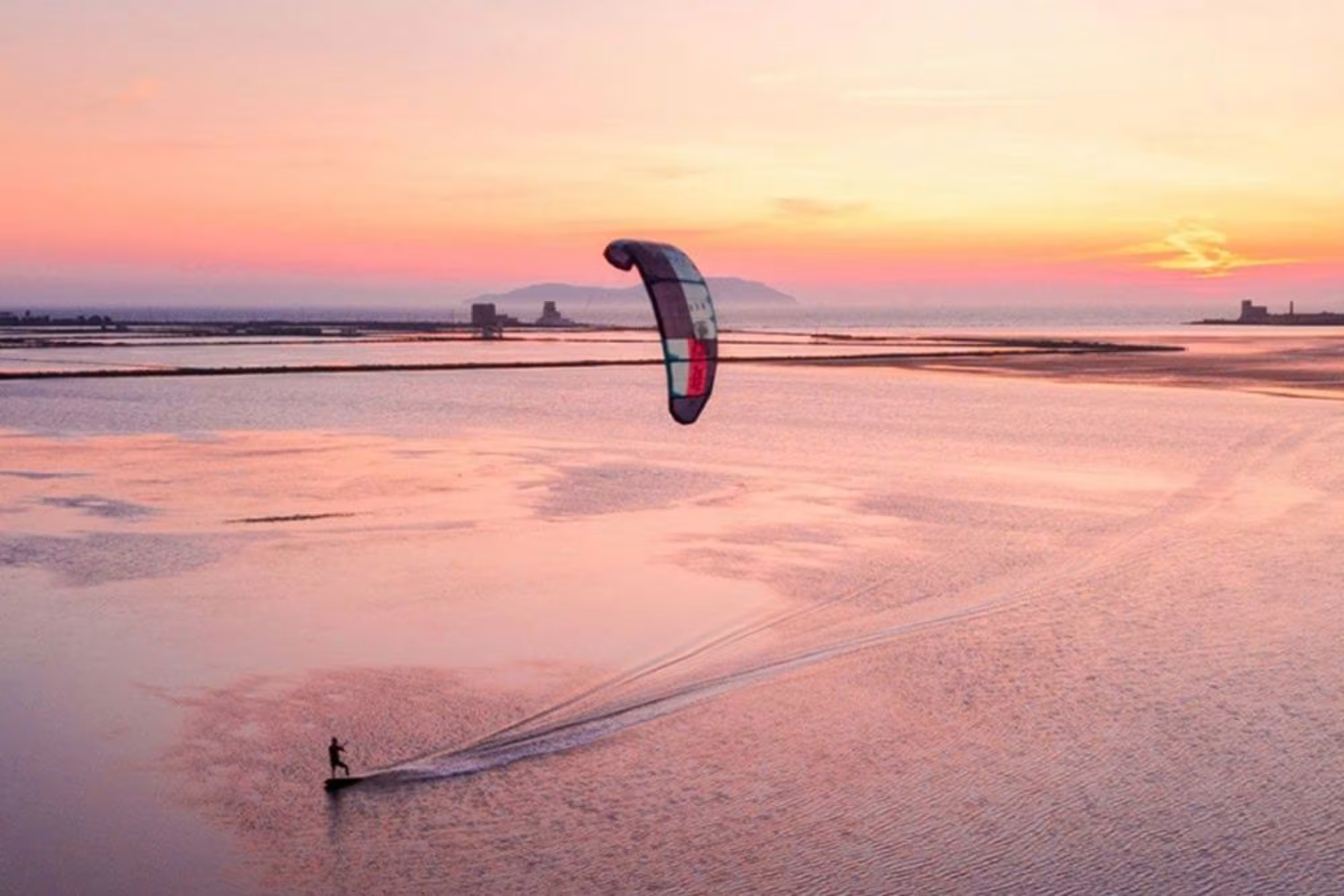
The most famous and loved phenomenon in the lagoon is the thermal wind, a breeze generated exclusively by the temperature difference between the mainland and the sea.
During hot spring and summer days, the ground along the coast of Contrada Birgi heats up much faster than the deep water of the open sea. The hot air rises, creating a micro-low pressure system that pulls in cooler air from the sea. This moving air funnels perfectly into the Stagnone, drastically reinforcing the natural ventilation.
What does this mean for your sessions? If Windfinder displays a weak 8 or 9-knot Mistral, the actual conditions in the lagoon between 2:00 PM and 6:00 PM will most likely be 16, 18, or even 20 knots. The Stagnone thermal wind kicks in like a Swiss watch from March to October, delivering flawless flat-water afternoon sessions that no global weather model can accurately predict.
Want to book your holiday during the weeks with the highest wind statistics?
Don't risk choosing the wrong period or booking a school in a spot less exposed to the main wind channels. Sicilwind’s free configurator analyzes historical thermal wind flows and matches you with the top partner schools at the Stagnone, ensuring the perfect logistics to catch every single knot of wind.
Dominant Winds: Mistral, Sirocco, and Tramontana
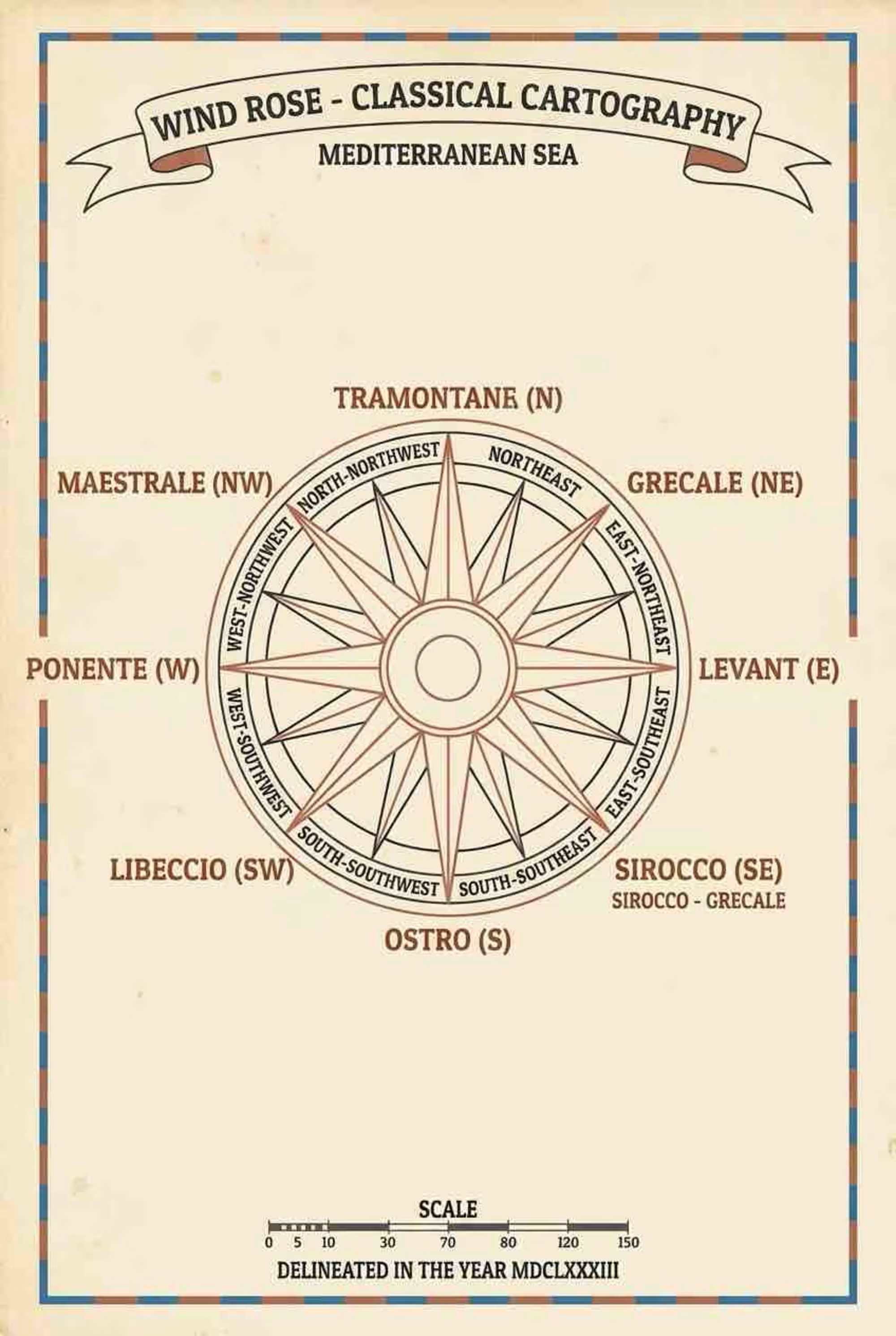
To truly understand the Stagnone, you need to know where its main winds come from, as each direction completely changes the lagoon's dynamics and requires a different layout depending on the partner schools in Contrada Birgi Vecchi.
The Mistral, blowing from the Northwest, is the undisputed king of the summer season. It is a cool, steady breeze that blends flawlessly with the local thermal effect. When the Mistral sets in, the Stagnone offers its absolute best conditions: water as flat as a mirror, comfortable temperatures, and a steady pull perfect for beginners or anyone trying new freestyle maneuvers.
The Sirocco blows from the Southeast and is a warm, gusty wind coming straight from Africa. It is highly frequent during spring and autumn. While less consistent than the Mistral, the Sirocco regularly delivers spectacular days with impressive strength, easily exceeding twenty-five knots. Finally, the Tramontana enters from the North and is a very strong, cold winter and spring wind, loved by advanced riders looking for high-speed, intense sessions.

When to Plan Your Trip: Seasonality and Real Statistics
The question every kiter asks is always the same: what is the best month to find ideal riding conditions in Marsala? The short answer is that the official season runs from March to late October, but every period has its own specific perks.
The months from June to August record the most stable wind statistics, close to an eighty percent rate of rideable days. This is peak time for the afternoon thermal wind working at full capacity. Long, warm summer days allow you to stay out on the water until 8:00 PM, enjoying the sunset right from your board. On the downside, summer coincides with peak tourism, meaning the spot gets quite busy.
If you are looking for wilder conditions and plenty of space to launch on the beach, April, May, September, and October are exceptional choices. During these months, the wind probability remains very high, but weather systems bring a wider variety of winds like the Sirocco. Accommodation prices in Birgi and San Teodoro are much lower, and the lagoon offers a relaxed, authentic atmosphere, ideal for focusing entirely on your kite course.
Stop Staring at Weather Apps: Come and Test the Stagnone Thermal Wind
Planning a holiday based solely on generic Windy models can cause you to miss the best weeks of the season. With Sicilwind’s free configurator, you can enter your ideal dates and riding level: we cross-reference historical local wind data to point you toward the official partner school positioned in the absolute best spot of the lagoon according to the current season.
Frequently Asked Questions about wind, thermal wind, and weather forecasts at the Stagnone
In this section, you will find quick answers from our locals to understand the wind conditions in Marsala and avoid packing the wrong gear.
Which weather forecast model is the most reliable for the Stagnone on Windfinder?
The most accurate model for the lagoon is the Windfinder Superforecast, as it uses a much narrower geographic calculation grid compared to the base model. However, remember that no automatic algorithm can calculate the increase in knots due to the afternoon thermal wind. To avoid errors, we highly recommend directly monitoring the official Sicilwind weather page, where you can find real-time data and optimized wind charts for the Stagnone spot.
What sizes of kitesurf wings should I bring for a trip to the Stagnone?
The lagoon works with a wide range of intensities. The ideal setup for a male kiter weighing around eighty kilos is a three-kite quiver: typically a twelve-meter for light thermal wind or light Sirocco, a nine-meter for classic Mistral days, and a seven or eight-meter for intense Tramontana or strong Sirocco days. If you practice Hydrofoil or use foil kites, a fifteen-meter also finds plenty of use during summer mornings.
What happens to the wind in the lagoon if the sky is completely covered by clouds?
If the sky is completely cloudy, the miracle of the thermal wind cannot kick in. The thermal effect requires direct sunlight on the mainland of Contrada Birgi to create the temperature difference with the sea. On cloudy or rainy summer days, you will have to rely exclusively on the synoptic wind, which is the actual wind indicated by weather systems on forecast apps, without any afternoon reinforcement.
What is the most dangerous wind direction for kitesurfing in the Stagnone?
The enclosed shape of the lagoon makes almost all directions extremely safe, as the shallow water prevents wave formation and the mainland completely surrounds the spot. The only direction requiring extra caution is a strong Sirocco when it blows from land in a highly gusty way, as it tends to push kiters toward the center of the lagoon or into the deep channels near Isola Lunga, making a rescue boat ride necessary in case of gear failure.